Description
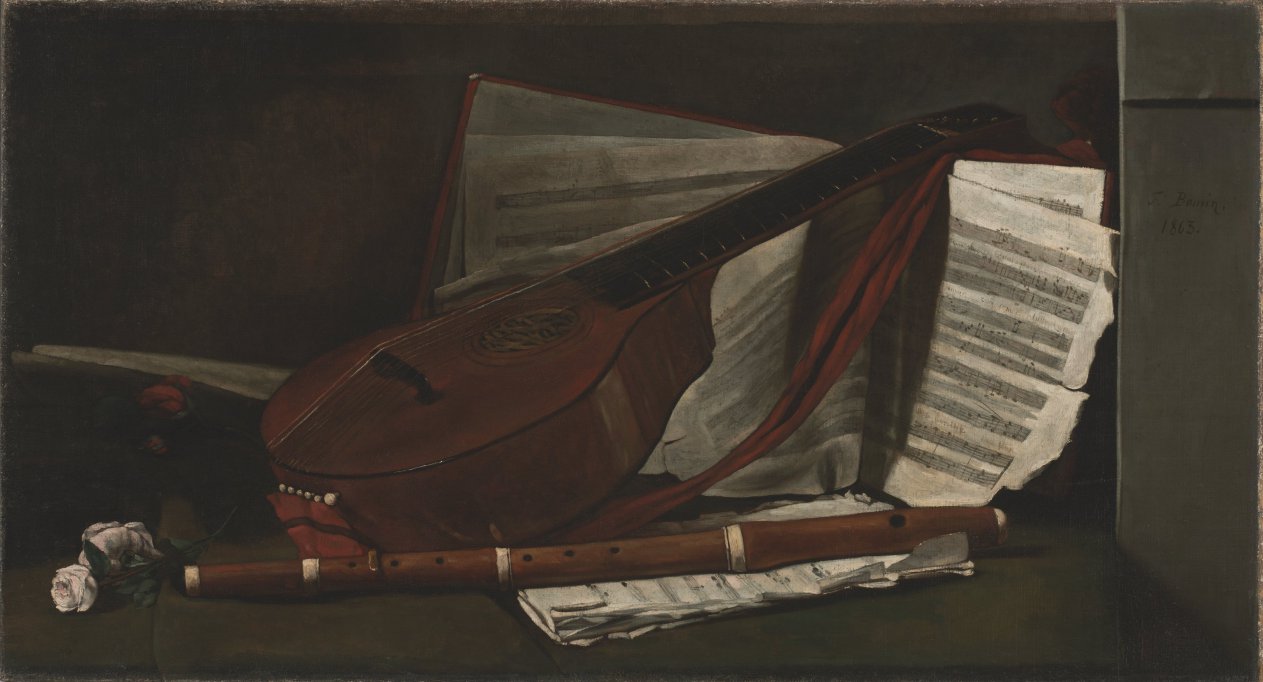
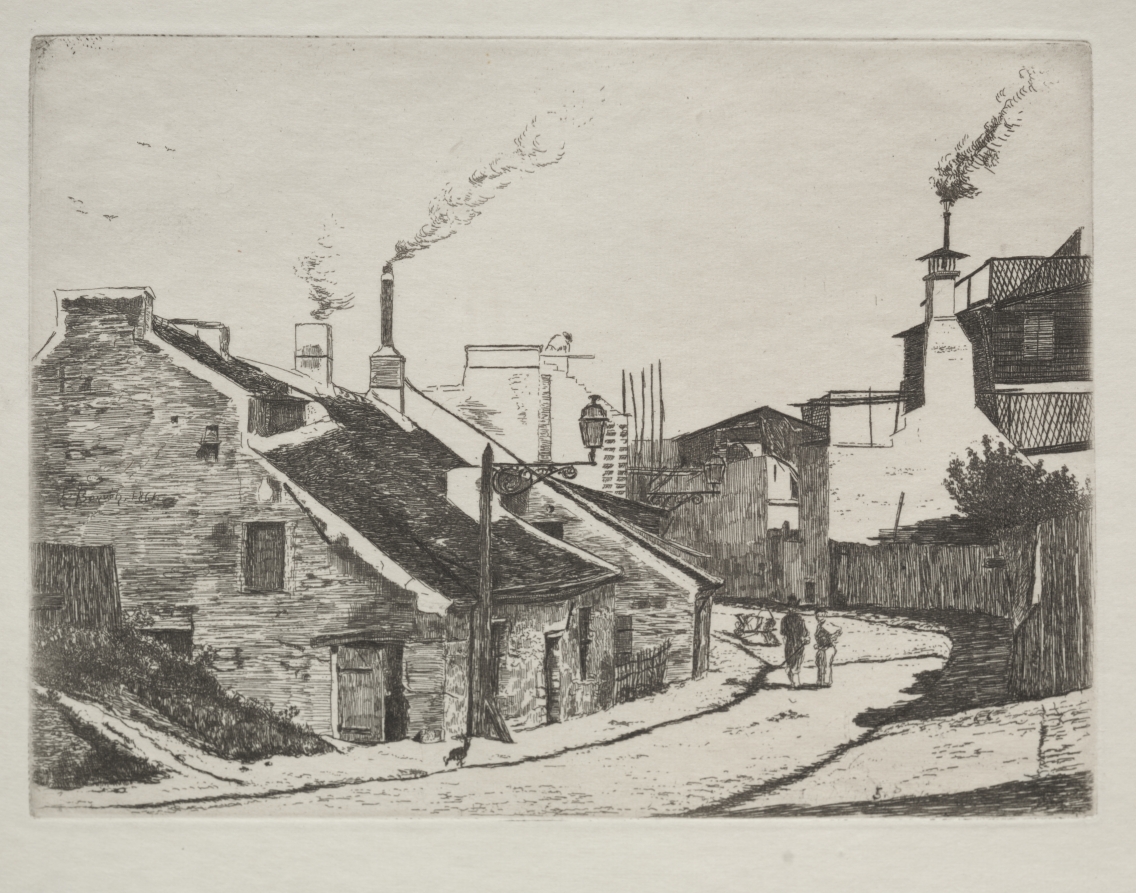
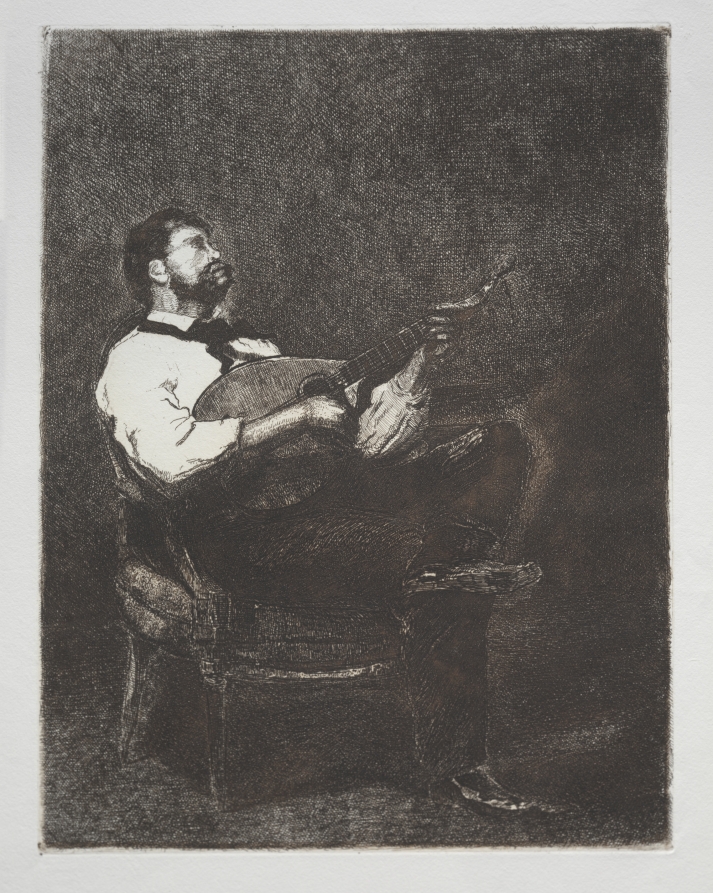
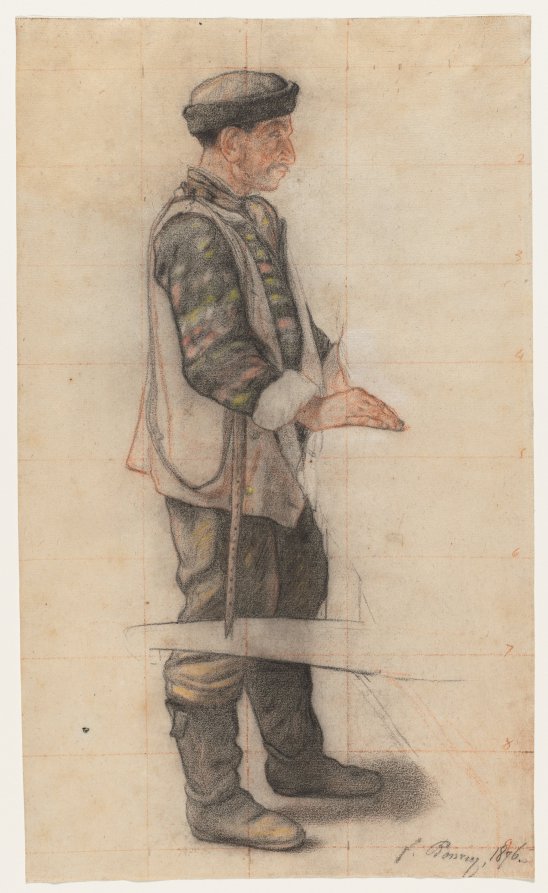
François Bonvin was a prolific watercolorist, and he developed a lifelong interest in modest religious subjects showing scenes of everyday life. This delightfully simple image of a nun knitting reveals the artist's appreciation for 17th-century Dutch artists such as Johannes Vermeer (1632-1675), whose work he copied.
Provenance
[Christie's, New York (26 May 1977), no. 6]; purchased in 1977.
Accession Number
2008.399
Medium
gouache and watercolor
Dimensions
Sheet: 21.3 x 17.2 cm (8 3/8 x 6 3/4 in.)
Classification
Drawing
Credit Line
Bequest of Muriel Butkin
Tags
Drawing Impressionist & Modern (1851–1900) Watercolor Gouache French Color: Brown Color: Gray
Background & Context
Background Story
A Nun Seated at a Table Knitting (c. 1860-1870) depicts a contemplative scene of religious devotion and domestic industry—the nun engaged in the knitting that was both a practical activity and a meditative practice. Bonvin, the leading figure of the French Realist movement's still-life and genre tradition, treated the religious subject with the same observational precision he brought to still-life objects and working-class interiors. The nun's habit, rendered with Bonvin's characteristic attention to fabric texture, establishes the religious context, while the knitting—.rhythmic, meditative activity—connects the contemplative life to productive work. The 1860-70 date places this during Bonvin's most productive period, when his Realist method had reached its fullest development and his still-life and genre paintings were being recognized as significant contributions to the movement that Courbet and Daumier had initiated. The knitting nun also reflects the 19th-century French understanding of religious life as a form of contemplative labor: the nun's work, like her prayer, was directed toward spiritual rather than material ends, and Bonvin's painting connects the two activities in a single image of devoted industry. The table, the sparse interior, and the quality of light that falls across the nun's work create an atmosphere of quiet concentration that distinguishes Bonvin's Realism from the more dramatic treatments that some of his contemporaries preferred.
Cultural Impact
Bonvin's religious genre paintings influenced how contemplative religious life was represented in Realist art, connecting spiritual devotion to domestic industry. The paintings influenced later French Realists who similarly found subjects in religious life's quiet routines. A Nun Knitting influenced how the relationship between contemplation and labor was represented, arguing that meditative activity deserved the same artistic attention that more dramatic subjects received.
Why It Matters
This painting matters because it represents the contemplative dimension of religious life with the observational precision that Realist painting brought to everyday experience—the nun's knitting is both practical work and meditative practice, and Bonvin's treatment argues that the quiet routines of devotional life deserve the same artistic attention that more dramatic religious subjects traditionally received.