Provenance
(M. Knoedler & Co.), 1921, from whom it was purchased by Mr. and Mrs. Charles H. Sabin, Southampton, Long Island, New York. Mrs. Sabin, née Pauline Morton, later became Mrs. Dwight F. Davis, Washington [d. 1955]; gift to NGA, 1954.
Accession Number
1954.14.1
Medium
oil on canvas
Dimensions
overall: 76.4 x 63.5 cm (30 1/16 x 25 in.) | framed: 94.3 x 81.9 x 7.6 cm (37 1/8 x 32 1/4 x 3 in.)
Classification
Painting
Credit Line
Gift of Pauline Sabin Davis
Tags
Painting Neoclassical & Romantic (1751–1850) Oil Painting Canvas British
Background & Context
Background Story
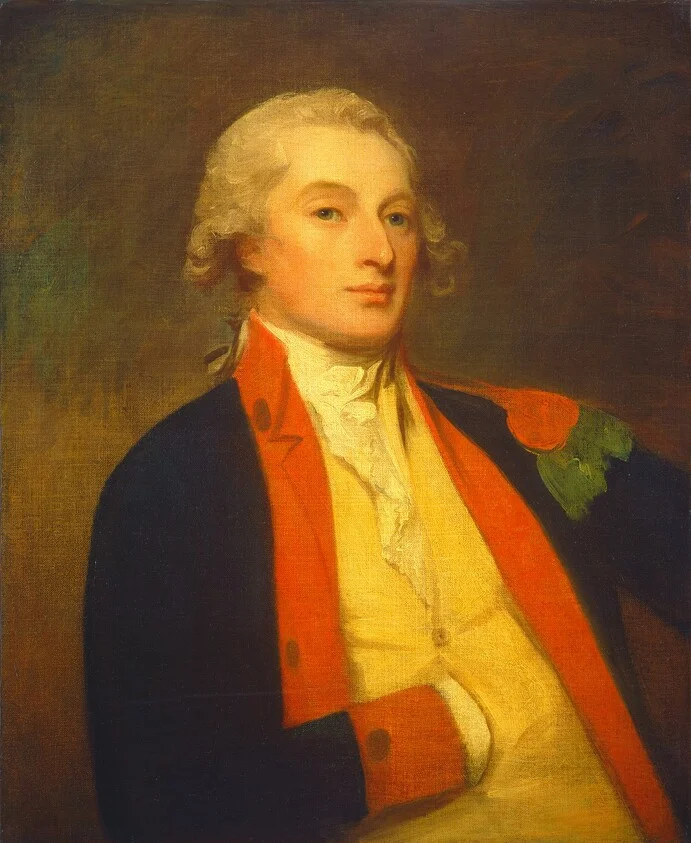
Romney's portrait of Mr. Forbes (c. 1780/1790) depicts a male subject—a genre Romney approached with the same technical fluency but often with a different psychological emphasis than his female portraits. Male portraiture in the 18th century typically emphasized authority, achievement, and social position rather than the elegance and freshness that characterized female portraiture. Mr. Forbes, whose first name is not recorded in the title, represents a challenge of identity: the portrait must assert the sitter's individuality through visual means alone, without the aids of rank, context, or narrative. Romney's approach to male portraiture combines the authority appropriate to the subject's social position with a psychological insight that reveals character beneath costume and convention. The 1780-90 date spans a decade of enormous change in Britain, including the loss of the American colonies and the beginning of industrial transformation. Mr. Forbes, whatever his specific identity, represents the British professional or gentry class that navigated these changes with varying degrees of success. Romney's portrait captures a representative of this class at a moment of national transition.
Cultural Impact
Romney's male portraits influenced how British masculinity was represented in the 18th century, establishing conventions of authority and intelligence that influenced later Regency and Victorian portraiture. The portraits documented the visual culture of British professional men—their dress, their demeanor, and the self-presentation strategies that defined male social identity. The Mr. Forbes portrait specifically contributed to the broader tradition of British male portraiture.
Why It Matters
This portrait matters because it demonstrates how portraiture serves both individual and collective identity. Mr. Forbes is both a specific person and a representative of his class and era—Romney's skill lies in making both levels visible simultaneously. For contemporary viewers interested in the history of masculinity, the portrait provides visual evidence of how 18th-century British men presented themselves to the world.